Route 20 Bus Schedule PDF: A Comprehensive Guide
Accessing the Route 20 schedule in PDF format provides a convenient, downloadable resource for planning your journey. This guide offers detailed timetables,
stop locations, and fare information, ensuring a smooth and informed travel experience.
Understanding Route 20 Overview
Route 20 represents a vital public transit artery, connecting key destinations across multiple cities and regions. Primarily, it serves the Downtown Norfolk Transit Center and extends to the Virginia Beach Oceanfront, offering frequent service throughout the day. The route is designed to cater to a diverse range of passengers, including commuters, tourists, and residents accessing essential services.
Understanding the Route 20’s operational framework is crucial for efficient travel planning. The service operates with a defined schedule, which is readily available as a downloadable PDF. This schedule details departure times from various stops, allowing passengers to synchronize their journeys effectively. Furthermore, the route incorporates accessibility features, ensuring inclusivity for all riders, with all buses equipped with lift and bicycle rack capabilities.
The Route 20’s significance extends beyond simple transportation; it’s a cornerstone of community connectivity, facilitating access to employment, recreation, and vital services. Regular schedule updates are implemented, so checking for the latest version is always recommended.
Route 20: Key Destinations & Cities Served
Route 20 prominently links Norfolk and Virginia Beach, serving as a crucial transportation corridor between these vibrant cities. Major destinations along the route include the Downtown Norfolk Transit Center, a central hub for regional transit connections, and the popular Virginia Beach Oceanfront, attracting both tourists and locals alike.
Beyond these primary locations, Route 20 extends its reach to serve important community points such as the Alaska Native Medical Center, providing essential access for patients and staff. In Buffalo, the route connects City Hall and the Metropolitan Transportation Center, facilitating convenient travel for commuters and visitors. The route also serves areas like Elmwood and Kenmore, offering localized service within the city.

Accessing the detailed Route 20 schedule PDF allows passengers to pinpoint specific stop locations and plan their journeys accordingly. The schedule is designed to maximize connectivity to these key destinations, ensuring efficient and reliable transit options for all.
Accessing the Route 20 Schedule PDF
Downloading the Route 20 schedule PDF is straightforward, offering a readily available resource for trip planning. Typically, the PDF can be found on the official website of the relevant transit authority – whether that’s the city of Norfolk, Virginia Beach, Buffalo, or the Alaska Native Tribal Health Consortium. Look for sections labeled “Schedules,” “Routes,” or “Transit Information.”
Direct links to the PDF are often provided alongside route maps and other helpful resources. Once downloaded, the PDF can be saved to your device for offline access, making it ideal for travel without a data connection. Many transit apps also integrate schedule information, but having the PDF provides a reliable backup.

Ensure you select the correct schedule based on the date, as schedules are subject to change. Regularly checking for updates is recommended. The PDF format allows for easy printing or viewing on any device, providing a comprehensive overview of Route 20’s timings and stop locations.
Norfolk/Virginia Beach Route 20 Details
Route 20 in Norfolk and Virginia Beach connects the Downtown Norfolk Transit Center with the Virginia Beach Oceanfront. The schedule operates frequently, offering numerous trips throughout the day. The PDF schedule details departure times from both ends of the route, as well as key stops along the way.
Passengers can download the current Route 20 schedule directly from the Hampton Roads Transit (HRT) website. The schedule clearly indicates AM and PM service, with hours represented in bold italic for easy differentiation. Exact cash fare is required upon boarding, and drivers do not provide change, so passengers should have the correct amount.
The route map, often included with the schedule or available separately, visually displays all stop locations. All HRT buses on Route 20 are equipped with lift and bicycle rack facilities, enhancing accessibility. Remember to check for potential schedule changes, as they can occur without prior notice.
Alaska Native Medical Center Route 20 Schedule
Route 20 serving the Alaska Native Medical Center (ANMC) provides crucial transit access for patients, visitors, and staff. The PDF schedule outlines specific departure times from the Downtown Transit Center, the Museum, and 3rd Avenue, culminating at ANMC. P.M. hours are distinctly marked in bold italic within the timetable for clarity.

This schedule is essential for planning appointments and travel to and from the medical center. The downloadable PDF ensures offline access, even without an internet connection. It’s important to note that the schedule is subject to change, so frequent checks for updates are recommended.
The timetable details each stop along the route, allowing passengers to pinpoint the closest boarding location. All buses operating on Route 20 are equipped with accessibility features, including lifts, ensuring inclusivity for all riders. Always verify the latest schedule information before commencing your journey.
Buffalo Route 20: Elmwood & Kenmore Service
Route 20 in Buffalo provides vital transit service connecting the City Hall and the Metropolitan Transportation Center with the Elmwood and Kenmore neighborhoods. The downloadable PDF schedule details both inbound and outbound trips, clearly labeled as “To/From Elmwood & Kenmore” (A: To/From Elmwood amp; Kenmore, A: A/Desde Elmwood y Kenmore).
This route caters to both regular commuters and school trips, with noted adjustments for school-related timings. The PDF format allows for convenient offline viewing, ensuring access to the timetable even without data connectivity. It’s crucial to remember that schedules can change, so checking for the most up-to-date version is advised.
The schedule includes approximate times, and actual travel times may vary. All buses on Route 20 are equipped with bicycle racks, promoting eco-friendly transportation options. The PDF provides a comprehensive overview of stop locations and timings, facilitating efficient trip planning within the city.
Decoding the Route 20 Schedule Format

The Route 20 bus schedule PDF utilizes a clear, tabular format designed for easy readability. Timetables are organized by direction – typically inbound and outbound – with stop names listed vertically and corresponding arrival/departure times horizontally. Pay close attention to the use of bold text; this often indicates PM (afternoon/evening) service hours.
Understanding this formatting is key to efficient trip planning. The PDF often includes notes regarding potential schedule changes, so always review these disclaimers. Exact cash fare is required for boarding, and drivers do not provide change, emphasizing the importance of having the correct amount or utilizing a bus pass (mCard).
The schedule may also feature abbreviations or symbols denoting specific bus features, such as accessibility options. Downloading and reviewing the complete PDF ensures you’re fully prepared for your journey. Familiarizing yourself with the layout streamlines the process of finding your desired route and timings.
Reading Route 20 Timetables: AM vs PM
Distinguishing between AM (morning) and PM (afternoon/evening) timings is crucial when interpreting the Route 20 bus schedule PDF. The schedule commonly employs formatting cues to differentiate these periods. A key indicator is the use of bold typeface; PM hours are frequently represented in bold italic within the timetable.
However, always double-check for explicit AM/PM labels alongside the times, as formatting can sometimes vary. Pay attention to the overall context of the schedule – the first set of times generally represents morning departures, while later times indicate afternoon and evening services.
Be mindful that schedules are subject to change without notice, so verifying the date on the PDF is essential. Understanding this distinction prevents missed connections and ensures you arrive at your destination on time. Careful observation of these cues will allow for accurate trip planning using the Route 20 timetable.
Route 20 Stop Locations and Identification
The Route 20 bus serves a variety of key locations, including the Downtown Norfolk Transit Center and the Virginia Beach Oceanfront. Identifying your specific stop is vital for efficient travel. The Route 20 map, often available alongside the schedule PDF, visually depicts all stop locations along the route.
Each stop is typically designated with a unique identifier, often a number or a combination of letters and numbers. These identifiers are listed within the schedule, correlating with specific departure and arrival times. Familiarize yourself with the stops nearest your origin and destination.
When using the PDF schedule, cross-reference the stop names with the map to confirm the correct location. Exact cash fare is required when boarding, and drivers do not provide change, so plan accordingly. Knowing your stop and having the correct fare streamlines your Route 20 experience.
Using the Route 20 Map in Conjunction with the Schedule
Maximizing your Route 20 travel experience requires utilizing both the schedule PDF and the corresponding route map. The map provides a visual representation of the entire route, displaying all stop locations and their geographical relationship to one another. This is particularly helpful for understanding the overall journey and identifying convenient transfer points.
When planning your trip, first locate your starting point and destination on the map. Then, consult the schedule PDF to determine the corresponding departure and arrival times at the nearest stops. The map aids in visualizing the distance between stops and estimating travel time beyond the scheduled intervals.
Downloadable PDF maps are often available alongside the schedule, allowing for offline access during your commute. Combining the map’s spatial awareness with the schedule’s temporal precision ensures a well-planned and stress-free ride on Route 20.
Fare Information for Route 20
Understanding the fare structure for Route 20 is crucial for a seamless travel experience. Currently, Route 20 operates on an exact cash fare system, requiring passengers to have the precise amount when boarding the bus. Drivers do not provide change, so planning accordingly is essential.
Beyond cash, various payment options may be available, including the mCard bus pass. Information regarding mCard sales outlets can typically be found within the Route 20 schedule PDF or on the transit authority’s website. These passes offer a convenient and potentially cost-effective alternative to paying with cash for frequent riders.
It’s important to note that fare policies are subject to change. Always refer to the most up-to-date fare information included in the official Route 20 schedule PDF or consult the transit agency’s website for the latest details. This ensures you are prepared with the correct payment method for your journey.
Accessibility Features on Route 20 Buses
Route 20 is committed to providing accessible transportation for all passengers. All buses operating on Route 20 are equipped with lift capabilities, ensuring easy boarding for individuals using wheelchairs or mobility devices. This feature is a standard across the entire fleet, promoting inclusivity and convenience.
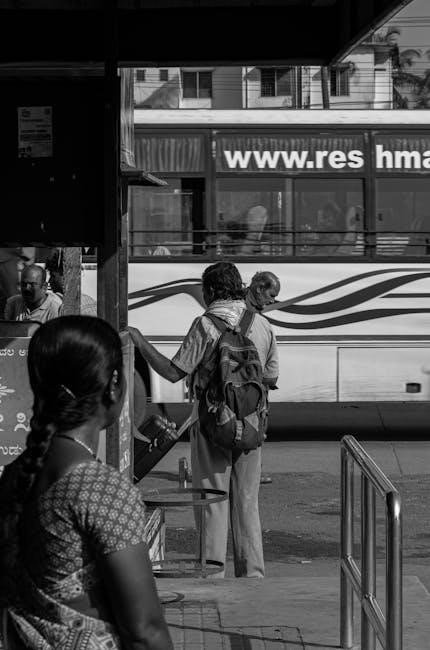
In addition to lifts, all Route 20 buses are also outfitted with bicycle racks. These racks allow cyclists to securely transport their bikes, encouraging eco-friendly commuting options and extending the reach of the public transportation network. Details regarding bicycle rack usage may be available within the Route 20 schedule PDF.
Passengers requiring additional assistance or having specific accessibility concerns are encouraged to contact the transit authority directly. Information regarding accessibility services and contact details can often be found within the official Route 20 schedule PDF or on the transit agency’s website, ensuring a comfortable and dignified travel experience for everyone.
Route 20 Schedule Updates and Changes
Route 20’s schedule is subject to change without prior notice, necessitating regular checks for the most current information. While the PDF schedule provides a valuable resource, it’s crucial to understand that it may not always reflect real-time adjustments due to unforeseen circumstances like traffic incidents or special events.
Passengers are advised to consult official sources, such as the transit authority’s website or mobile app, for up-to-the-minute schedule updates. These platforms typically offer real-time tracking and alert systems, providing timely notifications about delays or route modifications. The Route 20 schedule PDF often includes a disclaimer acknowledging the possibility of changes.

Checking for updates before each trip is highly recommended, especially during peak hours or inclement weather. Transit agencies often announce schedule changes through social media channels and email newsletters. Downloading the latest PDF version periodically is also a good practice, but should be supplemented with real-time information checks for optimal reliability.
Finding Real-Time Route 20 Bus Tracking

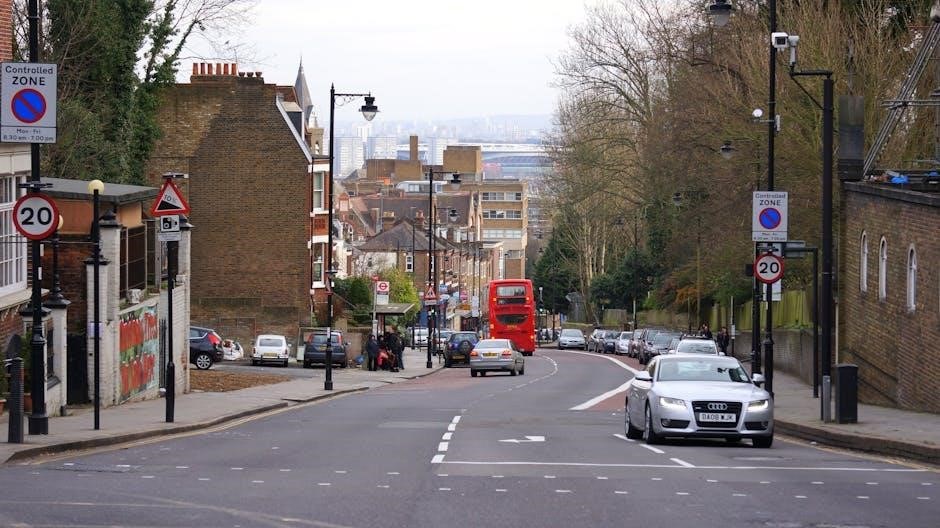
While the Route 20 schedule PDF is useful for planning, real-time bus tracking offers a dynamic and precise way to monitor your bus’s location. Several digital tools provide this functionality, enhancing the travel experience and minimizing wait times. Most transit authorities offer mobile applications that display bus locations on a map, along with estimated arrival times at each stop.
These apps often utilize GPS technology to pinpoint the exact position of each bus, providing up-to-the-minute information. Websites dedicated to public transportation also frequently feature real-time tracking capabilities. Inputting the Route 20 number and your desired stop will display the predicted arrival of the next bus.
Utilizing these resources complements the static information found in the PDF schedule, allowing for proactive adjustments to your travel plans. Real-time tracking is particularly valuable during peak hours or when unexpected delays occur, ensuring you’re always informed about your bus’s progress.
Offline Route 20 Schedule Access (PDF)
One of the significant advantages of the Route 20 schedule being available in PDF format is the ability to access it offline. This feature is incredibly useful for passengers without consistent internet access, or those wishing to conserve data while traveling. Downloading the PDF to your smartphone, tablet, or computer allows you to view the timetable regardless of connectivity.
This is particularly beneficial when traveling in areas with limited cellular service, or when roaming internationally. Having the schedule readily available ensures you can plan your journey and understand bus timings even without an active internet connection. The PDF format preserves the original layout and information, mirroring the online version.
Simply download the PDF from the official transit authority website and save it to your device. You can then open and view it at any time, providing a reliable and accessible resource for navigating the Route 20 system.
Contact Information for Route 20 Inquiries
For any questions regarding the Route 20 schedule, service updates, or accessibility features, reaching out to the appropriate transit authority is crucial. Direct contact ensures you receive the most accurate and up-to-date information tailored to your specific needs. While the PDF schedule provides a wealth of detail, sometimes personalized assistance is required.
Typically, transit authorities offer multiple channels for inquiries, including a dedicated customer service phone line, email support, and often, a contact form on their official website. These resources are staffed by knowledgeable representatives who can address your concerns efficiently. When contacting support, having details like the date and time of travel, or specific stop locations, can expedite the process.
Checking the official website for a comprehensive “Contact Us” section is the best starting point. This will provide the most current contact details and potentially links to frequently asked questions that may resolve your query immediately.