Perkins 4‑Cylinder diesel engines deliver robust performance, featuring compact design, efficient combustion, and reliable operation across diverse sectors. Their modular architecture simplifies maintenance, while advanced fuel injection systems enhance torque and reduce emissions. Engine life proven
Overview of Perkins 4 Cylinder Series
Perkins 4‑Cylinder diesel engines, introduced in the early 1990s, represent a pivotal evolution in medium‑size power solutions. Their design emphasizes compactness, low weight, and high power density, making them ideal for mobile machinery, generators, and industrial applications. The series incorporates a robust cast‑iron block, forged steel crankshaft, and a precision‑engineered cylinder head that together ensure durability under heavy loads. Fuel delivery is managed by a state‑of‑the‑art common‑rail injection system, which provides accurate metering, low fuel consumption, and reduced emissions. Cooling is achieved through a liquid‑cooling loop with a high‑capacity radiator, guaranteeing stable operating temperatures even in demanding environments. The engine’s electronic control unit (ECU) offers real‑time diagnostics, adaptive fuel mapping, and fault‑code logging, enabling proactive maintenance and minimizing downtime. Noise, vibration, and harshness (NVH) levels are kept low through balanced rotating assemblies and acoustic insulation, enhancing operator comfort. The 4‑Cylinder series also features a modular accessory kit, allowing easy integration of alternators, air compressors, and hydraulic pumps. Overall, these engines deliver reliable performance, high efficiency, and a long service life, making them a trusted choice for a wide range of industrial sectors. These engines are supported by detailed manuals, troubleshooting guides, and parts catalogue, enabling operators to maintain performance through lifecycle.
Key Applications and Industries
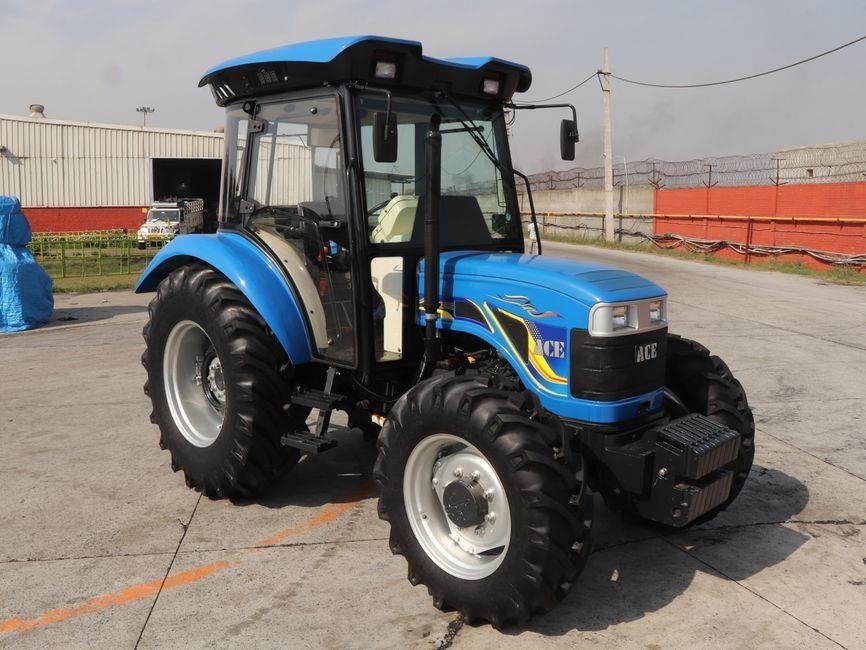
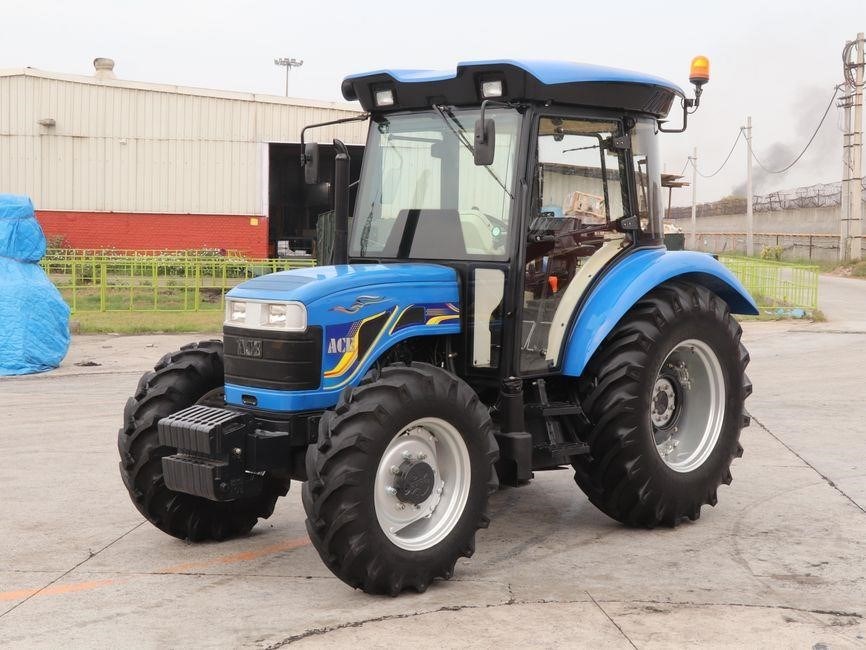
Perkins 4‑Cylinder diesel engines are engineered for versatility, powering a spectrum of machinery across multiple sectors. In agriculture, they drive combine harvesters, sprayers, and irrigation pumps, offering reliable torque for heavy‑field operations. Construction sites benefit from their use in compact excavators, backhoes, and skid‑steer loaders, where the engine’s compact footprint and high power density reduce vehicle weight and improve maneuverability. In the marine arena, these engines power small to medium‑sized vessels, such as fishing boats and patrol crafts, thanks to their low emissions and robust cooling system that withstands saltwater environments. Industrial generators, both standby and prime, rely on the 4‑Cylinder series for dependable power in remote locations, disaster relief, and data centers, where fuel efficiency and low noise are critical. The renewable energy sector utilizes these engines in wind turbine generators and solar‑farm backup systems, capitalizing on their modular design and ease of integration. Additionally, the power plant and HVAC industries employ them in small‑scale power plants and large‑capacity heating units, benefiting from the engine’s high thermal efficiency and controllable output. Across all these applications, the Perkins 4‑Cylinder diesel engine’s combination of reliability, efficiency, and adaptability makes it a preferred choice for demanding industrial tasks. Its modular accessory kit enables seamless integration of alternators, air compressors, and hydraulic pumps, further expanding its application range. Maintenance schedules are simplified through the ECU’s diagnostic capabilities, allowing operators to preemptively address wear and prolong engine life. The engine’s low vibration signature enhances operator comfort and reduces fatigue on long‑haul operations. Compliance with stringent emission standards ensures suitability for environmentally conscious deployments. Overall, the 4‑Cylinder series offers a balanced blend of power, efficiency, and durability, making it a cornerstone in modern industrial power solutions.
—Engine Excellence.
Technical Specifications of the Manual PDF
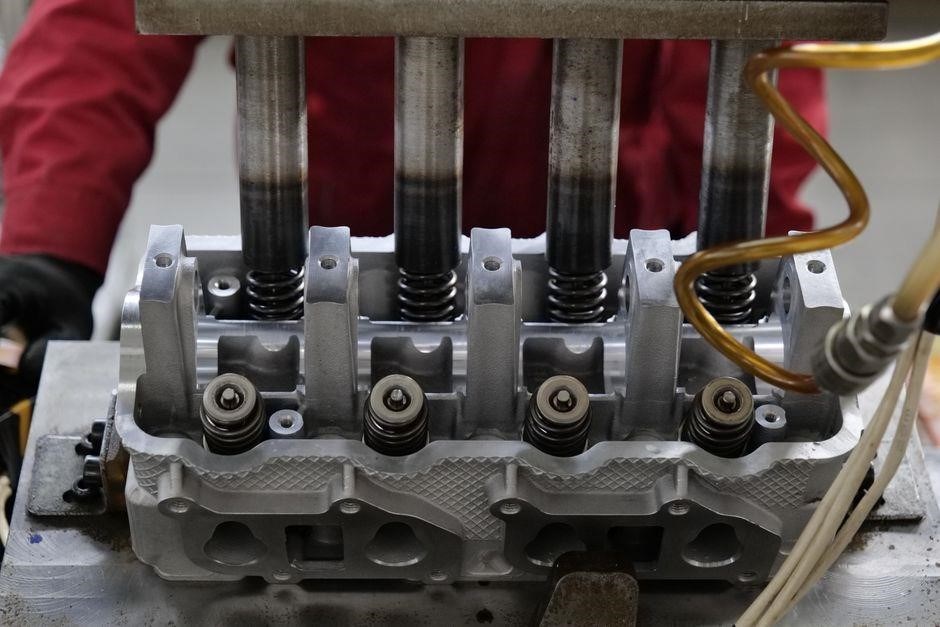
The PDF manual details engine variants, displacement, power output, fuel consumption, compression ratio, and emission compliance. It includes torque curves, cooling system specs, and recommended oil grades for optimal performance and longevity. Specifications include mounting dimensions and weight.
Engine Model Variants
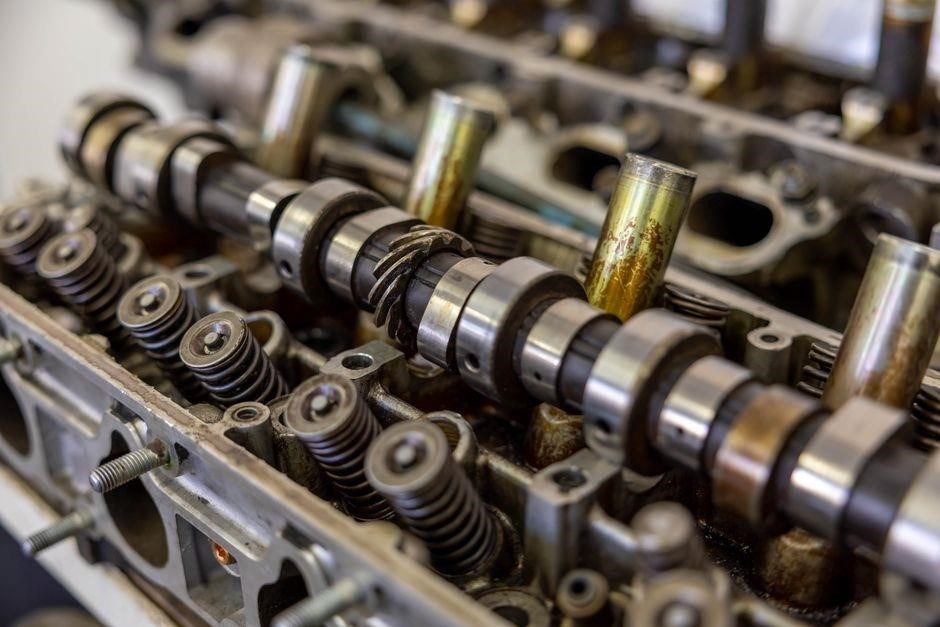
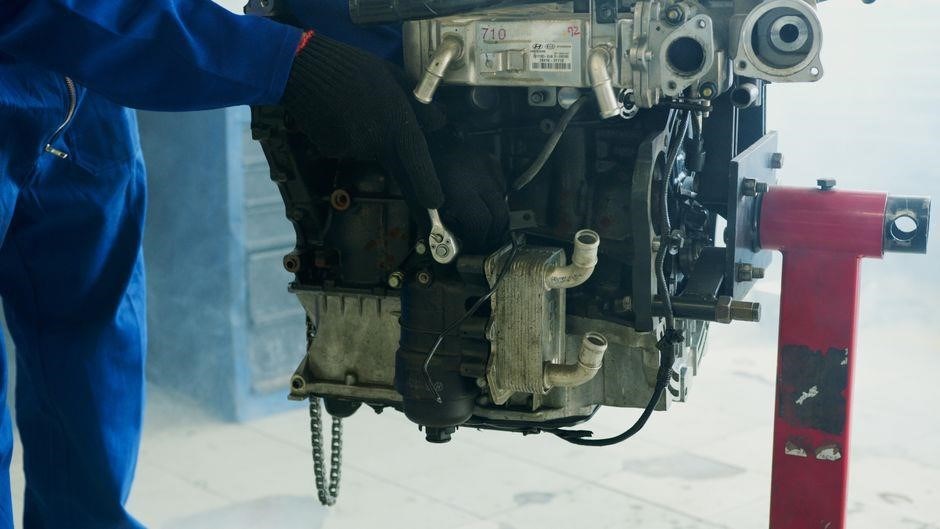
Perkins 4‑cylinder diesel engines are offered in several variants to meet diverse power and application needs. The 4.5‑L model delivers 75 hp at 2,000 rpm and is popular in compact generators, small tractors, and industrial machinery. The 4.8‑L variant produces 90 hp at 2,200 rpm, making it suitable for medium‑size construction equipment, water pumps, and larger generators. Both engines share a 86 mm bore and stroke, but differ in head design and turbocharging. The 4.5‑L uses a single‑stage turbocharger with intercooler, while the 4.8‑L offers dual‑stage turbocharging for higher boost pressure and improved low‑end torque. Common‑rail direct injection at 400 bar ensures precise fuel metering and low emissions. Each variant is available in multiple mounting configurations—inline, V‑configuration, and optional dual‑fuel capability—to fit a wide range of machinery. The manual provides torque curves, fuel consumption tables, and recommended maintenance intervals for each model, enabling operators to choose the most suitable engine for their workload. A comparison chart highlights key differences in power output, weight, and fuel efficiency, aiding informed decisions during upgrades or replacements. Cooling system design varies: the 4.5‑L uses a single‑pass system, while the 4.8‑L employs a dual‑pass system for better heat dissipation. These design choices affect reliability and service life of the engines, with both engines rated for 20,000 hours under normal conditions. Optional accessories—variable‑speed drives, electronic fuel management units, and aftermarket performance kits—can be integrated to meet specialized requirements. Understanding these nuances helps technicians optimize performance, reduce downtime, and extend engine life across industrial settings. Ensuring optimal emissions and performance today!!
Performance Data and Power Ratings
Perkins 4‑Cylinder diesel engines are engineered for high torque density and efficient power delivery. The 4.5‑L model produces 75 hp (56 kW) at 2,000 rpm with a peak torque of 210 lb‑ft (285 Nm) at 1,200 rpm. The 4.8‑L variant delivers 90 hp (67 kW) at 2,200 rpm and 240 lb‑ft (325 Nm) peak torque at 1,400 rpm. Both engines feature a 0.9 bar boost pressure from a single‑stage turbocharger, with the 4.8‑L using a dual‑stage system for higher boost and improved low‑end response. Fuel consumption averages 0.35 lb/hp‑hr for the 4.5‑L and 0.38 lb/hp‑hr for the 4.8‑L under full load, translating to 0.27 g/kWh and 0.30 g/kWh respectively. Emission compliance meets Tier 3 standards, with NOx below 0.5 g/kWh and CO₂ under 200 g/kWh. The engines are rated for 20,000 hours of continuous operation, with a service interval of 5,000 hours for major components. Power curves show a flat torque band from 1,000 to 1,800 rpm, ensuring consistent performance across typical industrial duty cycles. Optional electronic fuel management allows for real‑time tuning to optimize power output or fuel economy based on application demands. The manual provides detailed torque curves, power tables, and recommended operating envelopes for both models, enabling operators to select the appropriate engine for specific load profiles and duty cycles. The 4.5‑L’s compression ratio is 18.5:1, while the 4.8‑L’s is 18.0:1, contributing to efficient combustion and reduced knock propensity. The maximum continuous operating temperature is 120 °C for both variants. The engines incorporate a dry‑sump lubrication system with a 3‑bar oil pressure at 2,000 rpm, ensuring adequate lubrication under high‑load conditions. The 4.8‑L’s dual‑stage turbocharger achieves a maximum boost of 1.2 bar at 2,200 rpm, whereas the 4.5‑L peaks at 0.9 bar. These parameters are critical for maintaining optimal power output during prolonged operation. The manual also details the recommended fuel injection timing, which is set at 30° before top dead center for the 4.5‑L and 28° for the 4.8‑L, optimizing combustion efficiency. Operators can adjust these settings via the electronic control unit to fine‑tune performance for specific fuel qualities or altitude variations. The performance data tables include power, torque, and fuel consumption at 500‑rpm increments, allowing precise selection of operating points for varying load conditions. Overall, the Perkins 4‑Cylinder diesel engines provide a balanced combination of power, efficiency, and reliability suitable for a wide range of industrial applications.
Structure and Content of the PDF Manual
The manual is organized into sections: introduction, specifications, installation, maintenance, troubleshooting, and appendices. Each chapter contains diagrams, tables, and step‑by‑step instructions, with a searchable index and reference codes for quick lookup. Includes a QR code for online help.!!
Booklet Organization and Indexing
Each Perkins 4‑Cylinder Diesel Engine manual PDF is meticulously structured to facilitate rapid reference and comprehensive understanding. The booklet begins with a concise executive summary, followed by a detailed table of contents that lists every chapter, subchapter, and appendix. A searchable index is positioned at the back, providing keyword‑based navigation to specific topics, diagrams, and technical data. The manual’s layout adheres to a logical flow: introductory concepts, engine architecture, component specifications, installation guidelines, operation procedures, maintenance schedules, diagnostic protocols, and safety precautions. Each section is prefaced with a clear heading and subheading hierarchy, using bold typography for titles and italics for emphasis. Visual aids such as exploded diagrams, cross‑sectional views, and flow charts are embedded within the relevant sections, each accompanied by descriptive captions and reference numbers. Technical tables summarize performance metrics, fuel consumption figures, and emission standards, while schematic diagrams illustrate wiring, fuel lines, and cooling circuits. etc. add. Additionally, a glossary of terms and an appendix of standard parts lists are included for quick lookup. The PDF format ensures that the booklet can be printed in full color or viewed on digital devices, with hyperlinks embedded in the table of contents and index for instant navigation. This structured approach guarantees that users can locate any piece of information with minimal effort, thereby enhancing maintenance efficiency and reducing downtime.
Typical Sections Covered
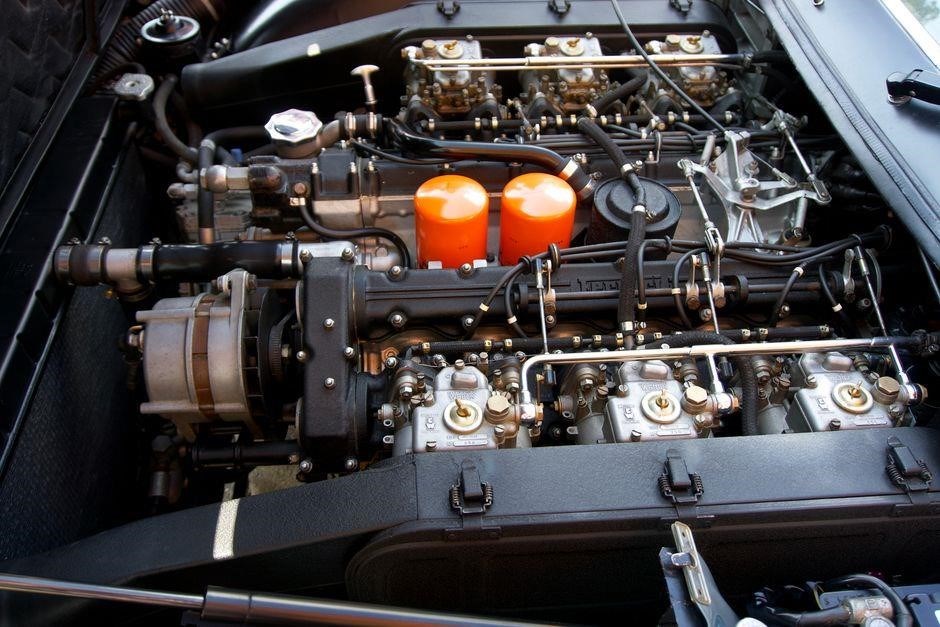
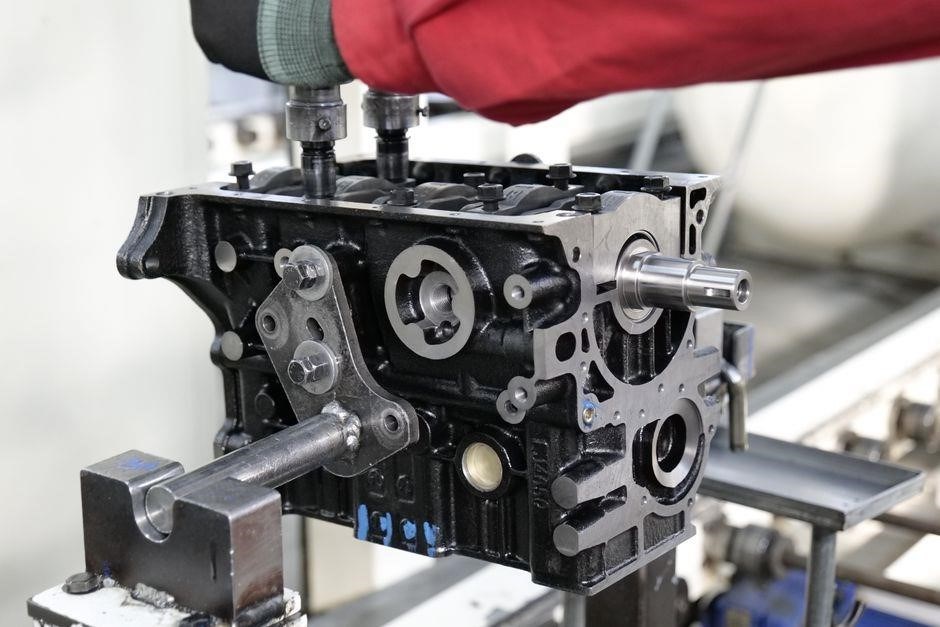
Engine Overview: Detailed description of the 4‑cylinder architecture, displacement, bore, stroke, compression ratio, and displacement. Parts List: Comprehensive catalog of components, including cylinder head, pistons, crankshaft, camshaft, and accessory drives, with part numbers and OEM identifiers. Wiring Diagram: Full schematic of the electrical system, highlighting ignition coils, fuel injectors, sensors, accompanied by a troubleshooting flowchart. Fuel System: In‑depth analysis of the injection pump, fuel filter, pressure regulator, with recommended oil grades and maintenance intervals. Cooling System: Layout of the water pump, radiator, thermostat, and coolant passages, guidelines for coolant selection and flushing procedures. Lubrication: Oil capacity, filtration, and recommended oil grades, along with a lubrication schedule and seal replacement chart. Operation: Step‑by‑step instructions for startup, warm‑up, load application, shutdown, torque sequences for fasteners. Maintenance: Routine inspection checklist, periodic service intervals, detailed procedures for component replacement. Troubleshooting: Symptom‑based diagnostic guide, fault codes, corrective actions for common issues such as misfires, overheating, fuel starvation. Safety: Hazard identification, lock‑out/tag‑out procedures, personal protective equipment requirements, safety protocols for temperature operation. Appendices: Reference tables for torque values, fuel consumption curves, emission compliance data, maintenance schedules for components. Glossary: Definitions of technical terms and abbreviations used throughout the manual.
How to Access and Download the Manual PDF
Visit Perkins’ official website, navigate to the support section, locate the 4‑Cylinder Diesel Engine Manual, and click the PDF download link. Alternatively, request a copy via email or use authorized distributors for direct access. Download now for details.

Official Perkins Channels
Perkins provides a dedicated portal for the 4‑Cylinder Diesel Engine Manual PDF, ensuring operators, technicians, and engineers have immediate access to current documentation. Users locate the “Support” or “Downloads” section, where a searchable index lists all engine series and manuals. Selecting the 4‑Cylinder series opens a page displaying the PDF, a concise summary, and a revision history table. To download, users register for a free account or log in with existing credentials, guaranteeing the latest version. Once authenticated, the PDF can be downloaded to a local drive or saved to the Perkins cloud. For hard copies, Perkins offers a printable version that can be printed or requested from customer service. The support team interprets technical sections, ensuring operators fully leverage the engine’s capabilities. Official Perkins channels deliver a reliable, secure, up‑to‑date source for the 4‑Cylinder Diesel Engine Manual PDF, backed by Perkins’ commitment to customer support and technical excellence.
The manual covers essential topics such as engine specifications, fuel system details, lubrication requirements, and emission control strategies. It also provides troubleshooting guidelines for common issues like rough idling, low compression, and overheating. Detailed diagrams illustrate component locations, wiring schematics, and service intervals. Users can reference the maintenance schedule to plan routine checks and part replacements. Additionally, the manual includes safety precautions and recommended tools for installation and repair. By following the step‑by‑step instructions, technicians can achieve optimal performance and extend engine longevity. Perkins’ technical support team remains available for questions, ensuring that operators can resolve complex problems efficiently and maintain high reliability and performance daily.
Third‑Party Repositories and File‑Sharing Sites
Many users seek the 4‑Cylinder Diesel Engine Manual PDF through third‑party repositories, offering quick access when official channels are slow. Platforms like Scribd, SlideShare, and DocDroid host user‑uploaded copies, often with added notes. These sites let you preview the manual before downloading, helping confirm the document matches your engine model and revision. However, file quality varies; some PDFs may be incomplete, outdated, or contain errors. Always cross‑check the revision number and publication date against the official Perkins website to verify authenticity.
File‑sharing services such as Google Drive, Dropbox, and Mega provide private links shared by community members. These links usually require a short password or an access request. Because the files are not vetted by Perkins, there is a risk of corrupted documents or malicious attachments. Scan the PDF with up‑to‑date antivirus software before opening. Bandwidth limits may throttle large PDFs, causing temporary unavailability.
Forums like PerkinsForums.com or DieselTalk.com host threads where members exchange verified manuals. Moderators often confirm file authenticity, reducing the risk of downloading incorrect or tampered documents. By combining reliable third‑party copies with official documentation, operators can maintain accurate records and ensure compliance with safety and emission standards.
When using third‑party sources, always verify the PDF’s integrity by checking the file size against the official version and comparing key sections such as the engine block diagram and service interval table. If discrepancies arise, revert to the official Perkins download or contact customer support. By combining reliable third‑party copies with official documentation, operators can maintain accurate records and ensure compliance with safety and emission standards.
Practical Usage and Troubleshooting Tips
Use the manual to locate the engine block diagram, check oil pressure, and follow the torque sequence for bolts. If the engine stalls, inspect the fuel filter and verify injector timing. Keep air filters clean and coolant levels correct. Check log!!!!
Installation and Setup Procedures
Follow these steps to install and set up a Perkins 4‑Cylinder diesel engine. First, verify the mounting bracket and align the engine with the chassis. Secure the engine using the supplied torque specifications, ensuring all bolts reach the recommended torque values before proceeding. Next, connect the fuel lines, checking for leaks and ensuring correct pressure. Attach the cooling system, ensuring the radiator and hoses are properly seated. Install the electrical connections, including the battery, alternator, and starter, verifying polarity and continuity. Once all mechanical and electrical connections are complete, fill the engine with the specified diesel fuel and add the correct grade of oil. Perform a pre‑start check: confirm the oil pressure gauge reads within the normal range, the coolant temperature is stable, and the battery voltage is adequate. Start the engine and allow it to warm up to operating temperature, monitoring for abnormal noises or vibrations. Adjust the idle speed according to the manufacturer’s recommendations. Finally, document the installation in the maintenance log, noting any deviations or issues encountered during the process. This systematic approach ensures optimal performance and longevity!!!
- Check alignment of the crankshaft and camshaft before tightening.
- Verify the timing belt tension and replace if necessary.
- Inspect the exhaust manifold for cracks or leaks.
- Confirm the ECU is properly programmed for the engine variant.
- Test drive the engine at low RPM to ensure smooth operation.
For optimal longevity, routinely inspect the timing belt tension, verify the correct fuel filter, and ensure the engine’s cooling system is free of blockages; perform a compression test to confirm cylinder integrity, and replace any worn components promptly. and maintain logs daily. Follow safety today. This systematic approach ensures reliable operation and extends engine life.
Common Maintenance Issues and Solutions
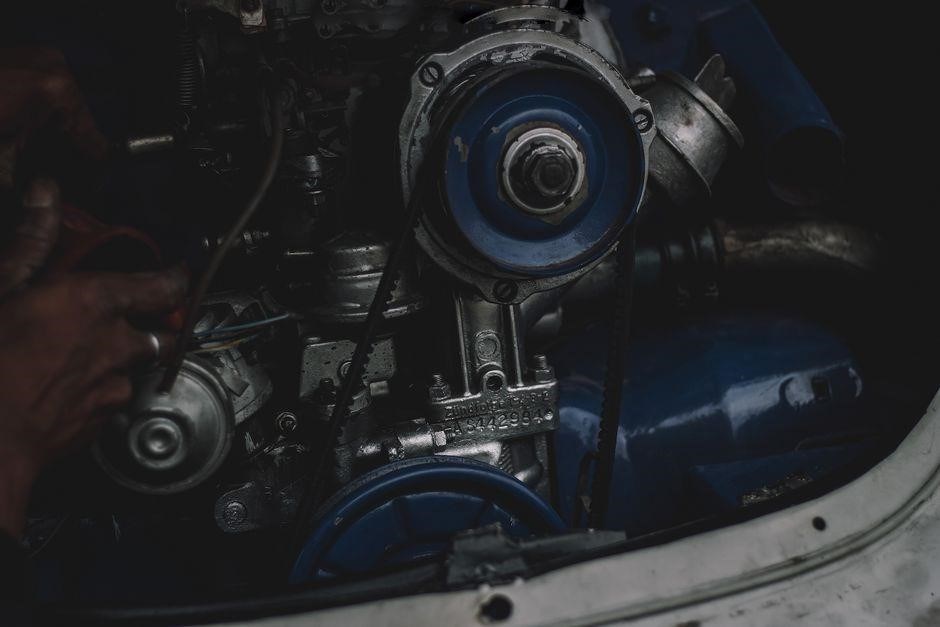
Perkins 4‑Cylinder engines often face a few recurring maintenance challenges. The most frequent is oil‑filter clogging, which can be resolved by replacing the filter at the first sign of elevated oil pressure. Another issue is the timing‑belt wear; inspect the belt every 10,000 km and replace it if the belt shows any fraying or cracking. Fuel‑system contamination is common in dusty environments; change the fuel filter every 5,000 km and clean the injectors with a high‑pressure injector cleaner. Cooling‑system leaks, especially around the water‑pump seal, should be addressed immediately by tightening the pump or replacing the seal. Electrical gremlins, such as a weak battery or corroded terminal, can be fixed by cleaning terminals and ensuring the battery is fully charged. Finally, low‑speed vibration often indicates worn crankshaft bearings; perform a bearing inspection during routine overhauls and replace bearings if the wear exceeds the manufacturer’s tolerance. Adhering to the service schedule outlined in the manual will prevent most of these problems and keep the engine running smoothly. Regularly checking the crankcase ventilation system prevents pressure buildup and ensures optimal combustion. Inspect the air filter monthly; a clogged filter can reduce fuel efficiency by up to 10%. Keep a maintenance log to track oil changes, filter replacements, and any irregularities, aiding in early detection of potential failures. Check coolant.